May 17, 2023
S4 Ep179: Warehouse Safety Tips | Episode 179 | Tow Motor and Lift Truck Safety
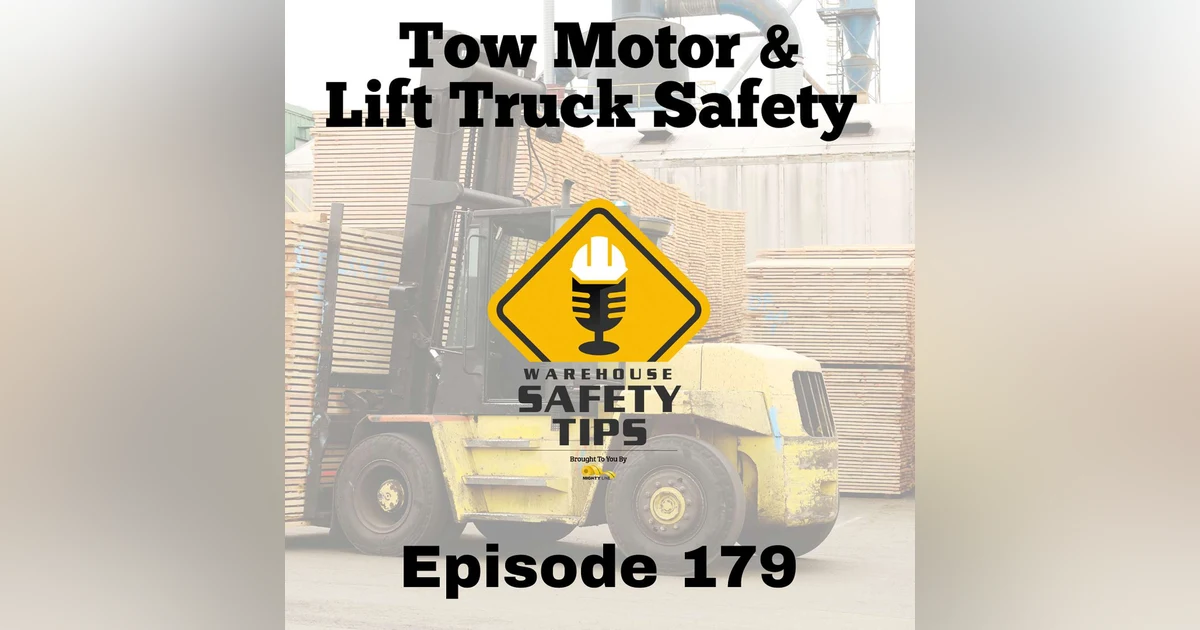
Tow Motor and Lift Truck Safety On today's podcast, we'll be talking about the importance of tow motor and lift truck safety. So - stay tuned. You can find the show notes to each episode, links to the information mentioned on the podcast, the social media platforms we're on, and anything else related to the podcast at WarehouseSafetyTips.com. If you're a seasoned Podcast Listener, this podcast will be different from most you listen to. It's based on exactly what the name implies - W...
Tow Motor and Lift Truck Safety
On today's podcast, we'll be talking about the importance of tow motor and lift truck safety.
So - stay tuned.
You can find the show notes to each episode, links to the information mentioned on the podcast, the social media platforms we're on, and anything else related to the podcast at WarehouseSafetyTips.com .
If you're a seasoned Podcast Listener, this podcast will be different from most you listen to. It's based on exactly what the name implies - Warehouse Safety Tips. And since the people in that industry are busy - we know time is money so each episode will be as short and to the point as possible.
And now that all that is out of the way - let's get to the Podcast!
Tow Motor and Lift Truck Safety
Tow motor and lift truck operators are crucial in efficiently and safely moving goods within factories and warehouses. Their skills and awareness directly impact productivity, inventory management, and workplace safety. To ensure smooth operations and prevent accidents, operators should be mindful of several important considerations. Here are some key factors tow motor and lift truck operators should be aware of in factories and warehouses:
On today's podcast, we'll be talking about the importance of tow motor and lift truck safety.
So - stay tuned.
You can find the show notes to each episode, links to the information mentioned on the podcast, the social media platforms we're on, and anything else related to the podcast at WarehouseSafetyTips.com .
If you're a seasoned Podcast Listener, this podcast will be different from most you listen to. It's based on exactly what the name implies - Warehouse Safety Tips. And since the people in that industry are busy - we know time is money so each episode will be as short and to the point as possible.
And now that all that is out of the way - let's get to the Podcast!
Tow Motor and Lift Truck Safety
Tow motor and lift truck operators are crucial in efficiently and safely moving goods within factories and warehouses. Their skills and awareness directly impact productivity, inventory management, and workplace safety. To ensure smooth operations and prevent accidents, operators should be mindful of several important considerations. Here are some key factors tow motor and lift truck operators should be aware of in factories and warehouses:
- Equipment Familiarity : Operators must be thoroughly familiar with the tow motor or lift truck they operate. Understanding the machine's controls, capabilities, and limitations is crucial for safe and efficient operation. Regular training and refresher courses can enhance their skills and keep them up-to-date with the latest equipment advancements.
- Pre-Operational Inspections : Performing pre-operational inspections is vital to identify potential issues or maintenance requirements. Operators should visually inspect the equipment, checking for damaged or worn-out parts, leaks, tire condition, and functionality of safety features such as lights and alarms. Addressing any concerns before the operation helps prevent accidents and ensures the equipment is in optimal working condition.
- Load Capacity and Stability : Operators should always adhere to the load capacity specified by the manufacturer. Overloading can lead to tip-overs, damage to goods, and endanger the operator and nearby personnel. Additionally, operators must focus on load distribution and securing loads properly to maintain stability during movement, especially when navigating corners or uneven surfaces.
- Pedestrian Safety : Factories and warehouses are often bustling environments with a significant presence of pedestrians. Operators must be vigilant and maintain awareness of pedestrians at all times. Sound the horn or use warning lights to alert pedestrians when operating in shared spaces. Slowing down in congested areas and utilizing designated pedestrian walkways can help prevent accidents and create a safer working environment.
- Clear Visibility : Maintaining clear visibility is essential for safe operation. Operators should ensure that loads, racks, or blind spots do not obstruct their line of sight. Adjust mirrors, if available, for improved visibility, and use spotters when necessary to assist with maneuvers in tight spaces or when backing up.
- Controlled Speed and Maneuvering : Operating at an appropriate speed is crucial for controlling the tow motor or lift truck. Speed should be adjusted based on the load, floor conditions, and the presence of pedestrians or other obstacles. Avoid abrupt acceleration, deceleration, and sudden turns to prevent tipping or losing equipment control.
- Communication and Signaling : Clear communication between operators and other workers is vital to prevent accidents. Operators should use hand signals or audible warnings to indicate their int